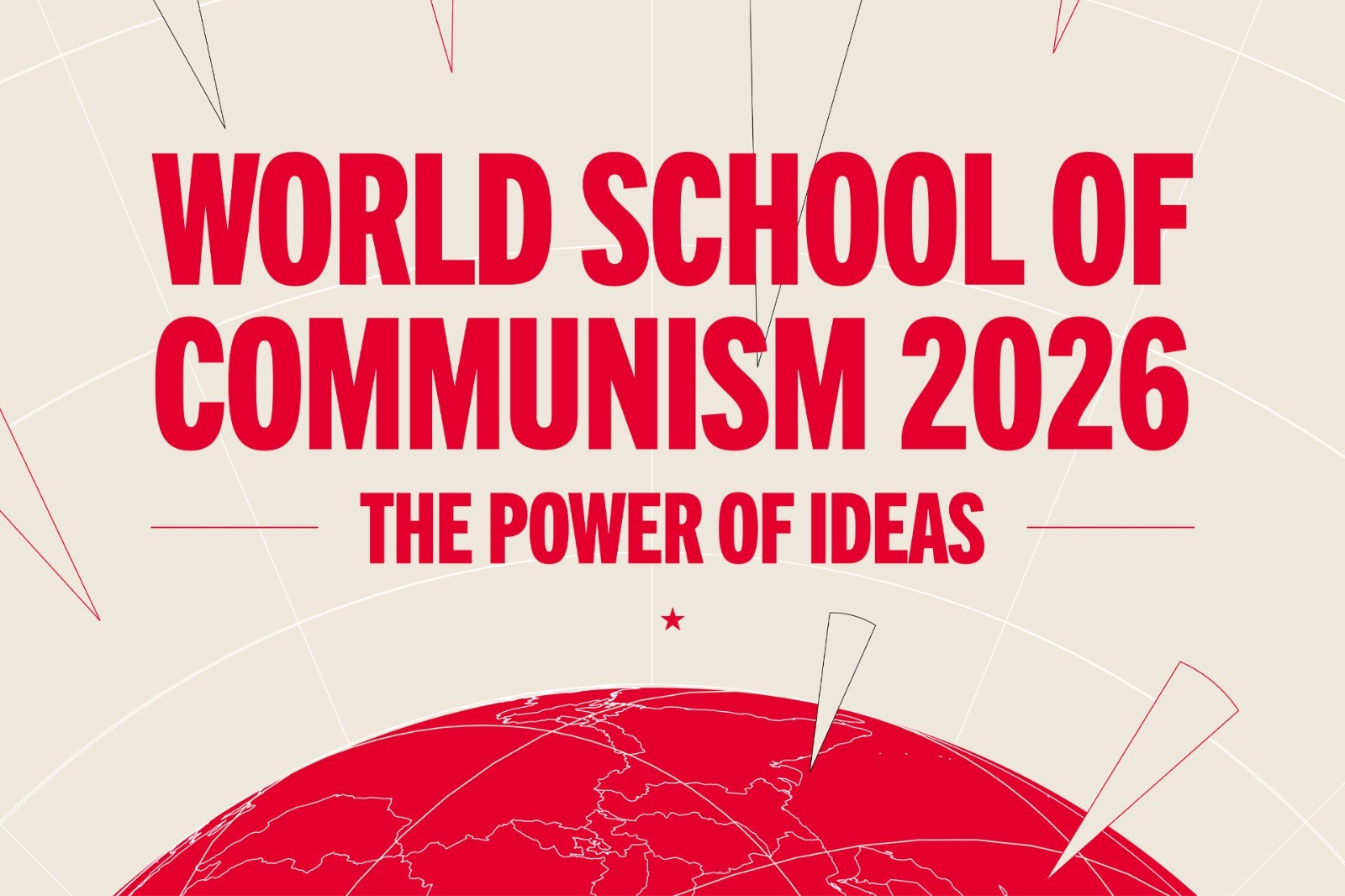
The World School of Communism is rapidly approaching. In just over three weeks, thousands of communists from every corner of the globe will tune in. At the time of writing, there are 2,500 signups from 114 different countries, including almost 450 from India at the time of writing! The figure gets higher every day. But how can you make the most of the next three weeks?
At the World School, we offer over 20 talks covering a rich selection of key questions, such as economics, history, philosophy, and current events. These are prepared by leading communists from around the world, including Alan Woods, leading Marxist theoretician and author of History of Philosophy, Bolshevism, co-author of Lenin and Trotsky: What They Really Stood For, and much much more.
This year, Alan Woods will be speaking in two different sessions. Perspectives on the World Revolution, and Marxism and Art. Marxists are not concerned only with ‘bread and butter’ issues, but with the entire wealth of human culture and civilisation.
That is what we offer to you. But in return, we ask for something from you. In order to get the most out of this event – and there are no others like it – we ask that you politically prepare yourself, through reading around the subjects, and studying.
To aid you in this task, we have produced reading lists for each talk, which include a variety of books, podcasts, and articles, ranging from classics by Marx and Engels, to new material produced by leading comrades of the Revolutionary Communist International.
These can be accessed by clicking on each talk on the World School website.
We will also be publishing a series of articles on marxist.com over the coming weeks that link in some way to the talks. Most recently, we published this historical article on the revolutionary events that shook France to its foundations in 1936. Keep an eye out for the World School logo on the header images of certain articles over the coming weeks!
And if you would like to discuss these ideas with a comrade of the RCI before the School, and you’re not already in touch with us, then the signup form is just a click away.
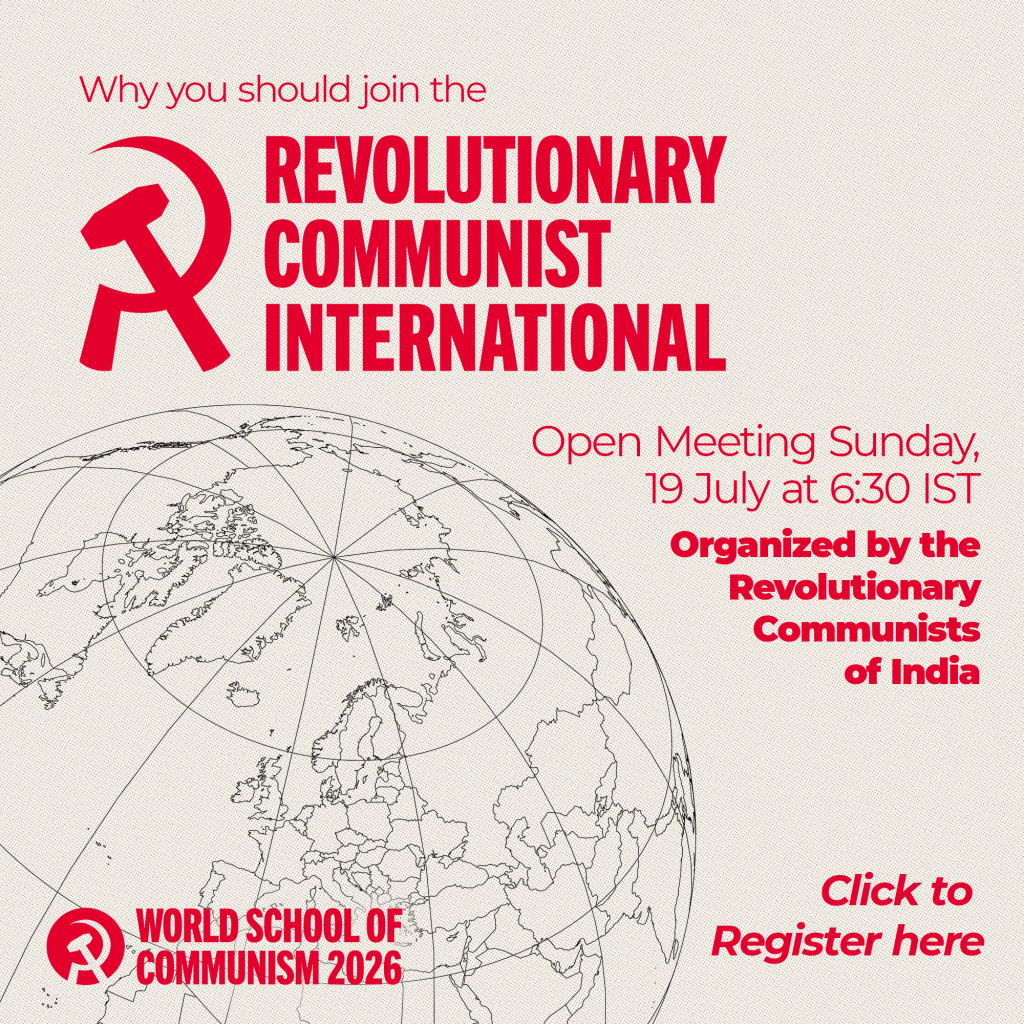
For those in India, we will be holding an online meeting to discuss what the RCI is, and how you can get involved in the World School of Communism 2026. Click the image below to register for this meeting.
Finally, a word of advice to any comrade looking to study in preparation for this event: don’t take a scattergun approach, focus on a small number of talks, perhaps one or two that you wish to attend. Then study those topics in depth. We end with some advice in this vein from the great revolutionary Leon Trotsky.
Trotsky’s advice to young Marxists: “Don’t spread yourself too thin”
Dear Comrades:
You complain that you have not been able to read even one-tenth of the books that interest you, and ask how to rationally allot your time. This is a very difficult question, because in the long run each person must make such a decision according to his particular needs and interests. It should be said however, that the extent to which a person is able to keep up with the current literature, whether scientific, political, or otherwise, depends not only on the judicious allotment of one’s time but also on the individual’s previous training.
In regard to your specific reference to “party youth,” I can only advise them not to hurry, not to spread themselves thin, not to skip from one topic to another, and not to pass on to a second book until the first has been properly read, thought over, and mastered. I remember that when I myself belonged to the category of “youth,” I too felt that there just wasn’t enough time. Even in prison, when I did nothing but read, it seemed that one couldn’t get enough done in a day. In the ideological sphere, just as in the economic arena, the phase of primitive accumulation is the most difficult and troublesome. And only after certain basic elements of knowledge and particularly elements of theoretical skill (method) have been precisely mastered and have become, so to speak, part of the flesh and blood of one’s intellectual activity, does it become easier to keep up with the literature not only in areas one is familiar with, but in adjacent and even more remote fields of knowledge, because method, in the final analysis, is universal.
It is better to read one book and read it well; it is better to master a little bit at a time and master it thoroughly. Only in this way will your powers of mental comprehension extend themselves naturally. Thought will gradually gain confidence in itself and grow more productive. With these preliminaries in mind, it will not be difficult to rationally allot your time; and then, the transition from one pursuit to another will be to a certain extent pleasurable.
With comradely greetings,
Leon Trotsky
29 May 1923