Gyanesh Kumar must resign! Restore the voting rights of all deleted voters! Stop the SIR! Support the Jantar Mantar protest! Fight capitalism! For socialist revolution!
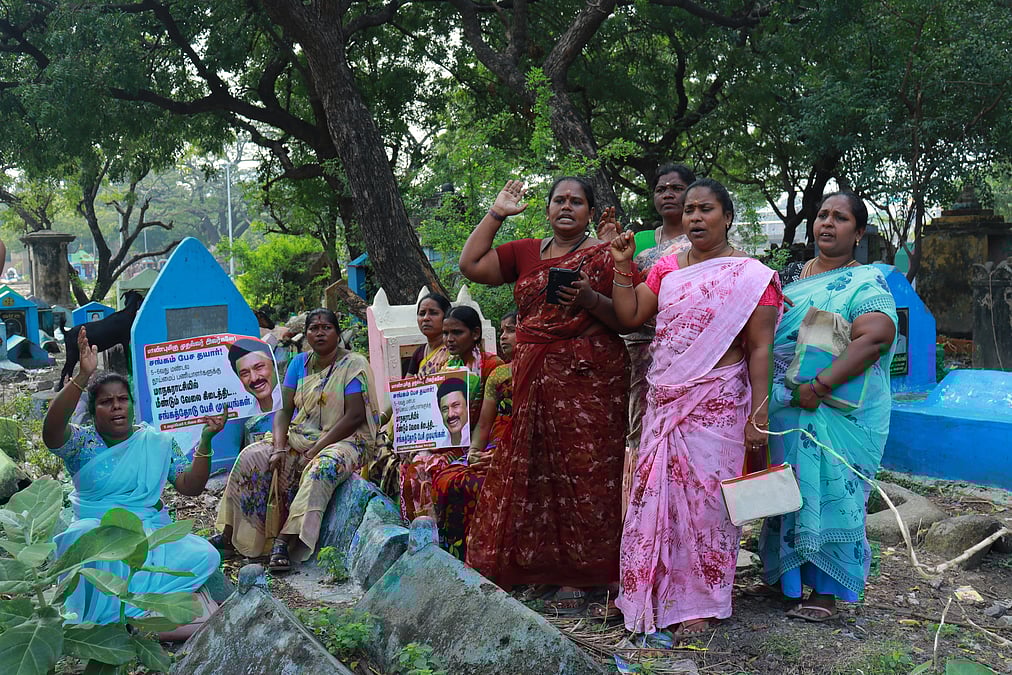
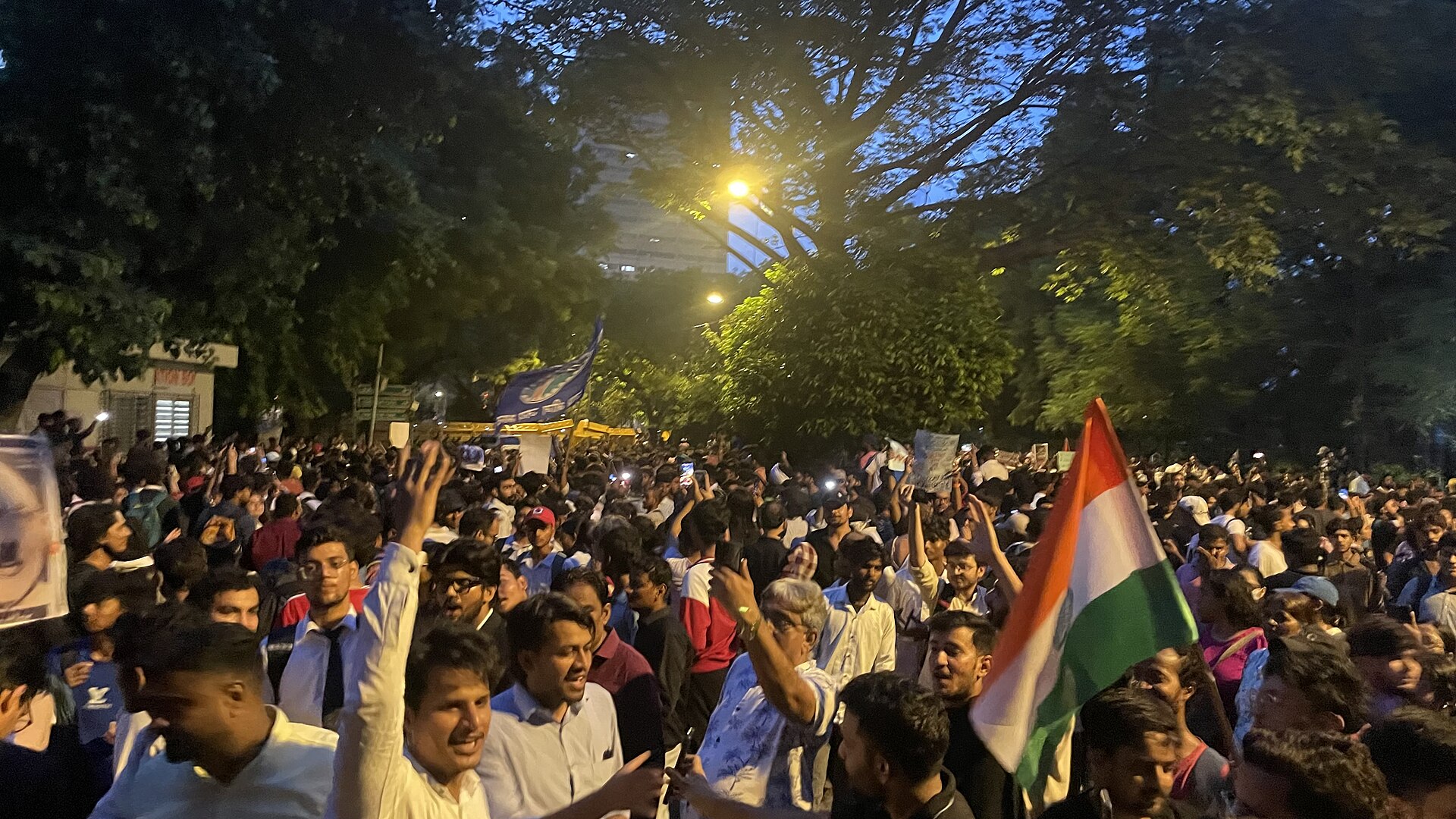
A wave of protest is sweeping India, demanding the resignation of Chief Election Commissioner (CEC) Gyanesh Kumar. Led by the Cockroach Janata Party (CJP) and joined by student organisations such as AISA and SFI, young people have taken to the streets in city after city. The Delhi Police refused permission for the protest called at Jantar Mantar on 10 October, but the movement went ahead regardless. Left parties and opposition groups have held demonstrations across the country, and opposition MPs are demanding Kumar’s immediate removal.
The Modi government has answered with repression. Before the 10 October protest could even begin, CJP founder Abhijeet Dipke and spokespersons Saurav Das and Ashutosh Ranka were detained on their flight as it landed in Delhi, and YouTuber Dhruv Rathee was taken from his home in Gurugram. More than 250 trains into the capital were cancelled, dozens of metro stations were shut, and over 20,000 police and central armed police were deployed. Over a thousand protesters were detained in Delhi alone, many of them picked up at railway stations on their way to the demonstration. Journalists covering the protest were detained too, and women protesters and women journalists have complained of harassment by the police.
The government has good reason to be nervous. In July, after weeks of mass student protests at Jantar Mantar over the NEET exam paper leak, Education Minister Dharmendra Pradhan was forced to resign. The youth have already shown they can force the government to retreat. Now the state is throwing its full weight against them to stop it happening again.
What the exposé revealed
The spark for the current movement was an investigation published by The Indian Express on 23 September. It revealed that the other two Election Commissioners, Sukhbir Singh Sandhu and Vivek Joshi, had formally objected at least 14 times over ten months to decisions taken in the Special Intensive Revision (SIR) of the electoral roll, including orders issued without their knowledge. Their objections covered changes to Form 6 for new voters, the deletion and restoration of names, and control of electoral-roll data. The Election Commission insists its decisions were unanimous, but it has not explained who authorised the orders the commissioners challenged.
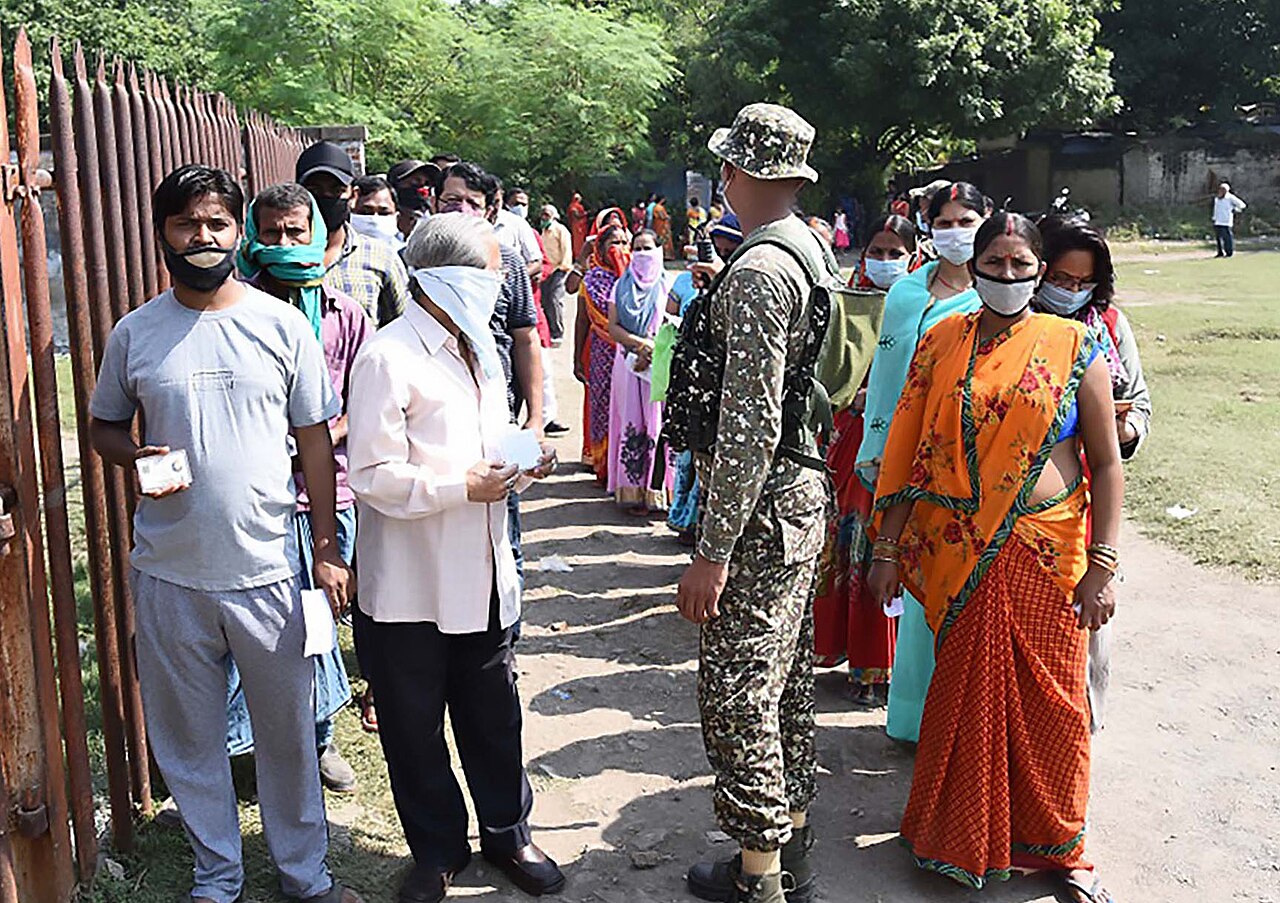
An SIR is supposed to remove voters who have died and enrol new ones. Under Kumar it has removed around 13 crore names from the rolls. In West Bengal alone over 60 lakh voters were deleted, and the assembly election went ahead while tens of lakhs of appeals were still pending. Mass deletions have also been reported in Maharashtra, Bihar and elsewhere, and they played a part in the BJP-led alliance’s victories in these states.
Form 6: the NRC by the back door
The key mechanism is Form 6. Every new applicant must state whether their parents’ or grandparents’ names appeared on the electoral roll at the time of the last SIR. Those who cannot answer cannot enrol. In a country where the majority struggle simply to survive, very few poor people hold documents proving their grandparents’ registration. The job of the Election Commission is to register voters, not to decide who is a citizen.
In 2019, the Citizenship Amendment Act (CAA) offered fast-track citizenship to Hindu, Sikh, Buddhist, Jain, Parsi and Christian migrants from Pakistan, Bangladesh and Afghanistan, but excluded Muslims. It was meant to work together with a nationwide National Register of Citizens (NRC), which would have forced every resident to prove their citizenship. Mass protests across India forced the government to shelve the NRC. Through Form 6, the Election Commission is now doing what the NRC could not: placing the burden of proof on the poor, and above all on Muslims, to show that they belong.
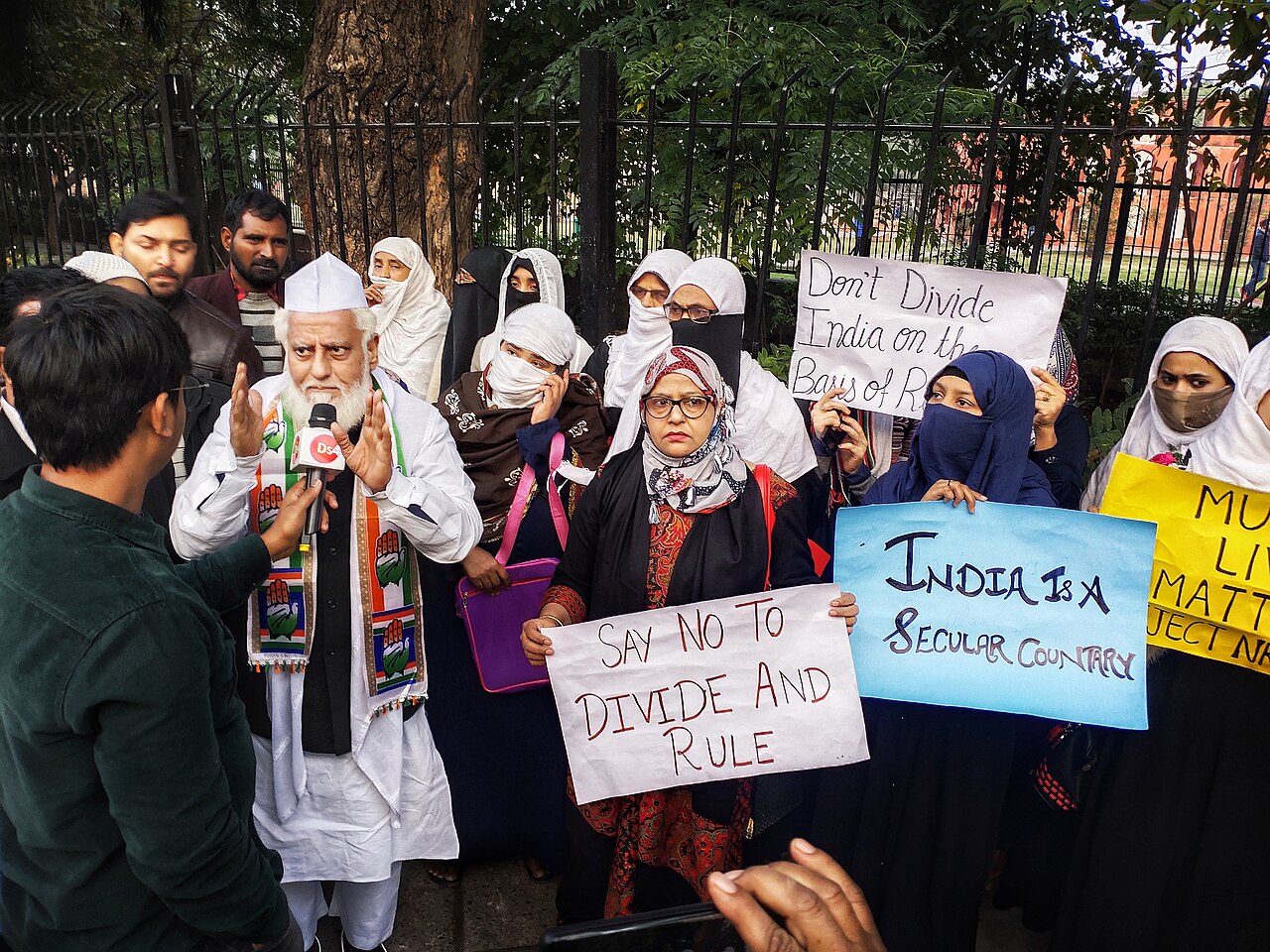
This is not simply a cynical trick to win a few elections. It flows from the whole logic of BJP rule. A government that presides over mass unemployment, rising prices and record inequality cannot win the working class on its record, so it must divide it instead. Hindutva turns the anger of Hindu workers against their Muslim neighbours rather than against the bosses and landlords who exploit them both. Form 6 is the latest instrument of this divide-and-rule policy, and the SIR applies it to the right to vote itself.
Why the institutions bend
Why does the Election Commission behave in this way? It is not only a question of one corrupt official. Kumar is a former civil servant who has long faced allegations of acting on behalf of the BJP. But he was put in post through a process the government itself designed. The Chief Election Commissioner and Other Election Commissioners Act, 2023 removed the Chief Justice of India from the panel that selects the commissioners, leaving the Prime Minister, a cabinet minister of his choosing and the Leader of the Opposition. The government is guaranteed a majority on that panel, and Kumar was the first Chief Election Commissioner appointed under this law.
The Election Commission is not an exception. The Enforcement Directorate and the Central Bureau of Investigation have been turned against opposition leaders and activists who oppose the BJP. The judiciary refused to halt the SIR, and in March the Supreme Court upheld it, leaving millions without a vote. These bodies are described as independent, but in practice they serve the government of the day, because that government represents the interests of the capitalist class.
The same is true of elections themselves. In India today only the rich can stand for office, cash handouts sway the result, and money and muscle power decide elections in several states. The BJP and every other capitalist party are bankrolled by Adani, Ambani, the Birlas, the Agarwals and the Tatas. Under the electoral bonds scheme, struck down by the Supreme Court in 2024, close to half of all the money donated through bonds went to the BJP. This is not a corruption of capitalist democracy but its normal functioning. Rights such as free speech and freedom of association exist on paper, yet workers who try to organise a union in their factory quickly discover how far those rights really extend. Democracy is tolerated only so long as it does not threaten the rule of capital.
The facts lead to the conclusion Marx drew in 1848: “The executive of the modern state is but a committee for managing the common affairs of the whole bourgeoisie.” Pressure on so-called independent institutions is nothing new in India, but under the RSS–BJP government it has reached an unprecedented level. Capitalism, in India and worldwide, cannot guarantee genuinely free and fair elections. It can only deepen the misery of the masses.
The “strong leader”
Unemployment, inflation and inequality have reached record levels under Modi. The BJP presents him as a strong leader, in contrast to Manmohan Singh. Yet when Trump hiked tariffs on Indian exports and penalised India for buying Russian oil, Modi had nothing to say. The “56-inch chest” is puffed out against students, Muslims and the poor at home, but deflates before US imperialism. It is election rhetoric designed to deceive the masses.
No alternative in the opposition
The Congress-led INDIA alliance offers no alternative. Nor do the Stalinist parties, the CPI, CPI(M) and CPI(ML) Liberation, which trail behind Congress instead of building independent working-class politics. The CJP has grown in the vacuum left by this ineffective opposition. It was launched in May as a satirical online outfit, after the Chief Justice of India likened unemployed youth to cockroaches, and it has given voice to the anger of millions of young people. But its founder Abhijeet Dipke previously worked for the AAP, and like the AAP, the CJP’s politics go no further than reforming capitalism.
Voting out Modi and bringing in Congress or another capitalist party will not transform the lives of the vast majority, who still live in poverty nearly eight decades after independence. Only a determined struggle that organises workers, peasants, students and all oppressed layers on class lines can defeat the Modi regime. That means a socialist revolution: bringing the working class to power and placing the major industries and resources under its democratic control.
Jail Bharo, Capitalism ko Khatm Karo!